

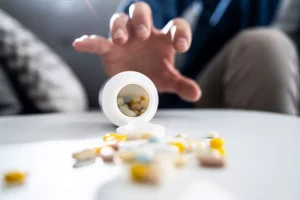
If you suddenly stop drinking, your body will often experience withdrawal. Withdrawal symptoms include sweating, shaking, nausea, and anxiety. Because alcohol affects your sleep, you may also notice under-eye https://ecosoberhouse.com/ circles the day after drinking (10). Our programs are flexible and customized to target your specific needs. We work with individuals, couples, and families to ensure that you and your loved ones are on the same page when it comes to your sobriety.
The Good Life
- More than 30% of alcohol-related deaths recorded in the U.S. from 2020 to 2021 were due to acute issues including accidents and injuries.
- Consider your current health conditions and medications before you drink.
- According to the 2022 National Survey on Drug Use and Health, administered by the U.S. federal government, about 20% of adults 60 to 64 and about 10% of those 65 and older say they binge drink.
- Open yourself up to new experiences, and you’re bound to meet new, interesting people.
- Alcohol can affect the way some vital organs work and make them age faster.
- Let’s not forget alcohol’s damaging effects on the heart.
Exercise releases endorphins and promotes feelings of well-being. The next time you feel a craving — or if you’re feeling one now — get up and go for a short walk and see if the urge to drink subsides. Even if you’re experiencing limited mobility, you can still find activities that match your abilities. Working out with a friend or neighbor is also a great way to make exercise a social activity. Loneliness is a common hurdle many of us face as we age, and it can go hand-in-hand with depression and excessive drinking.
Professional help for alcohol treatment and recovery
As you age, the body’s mechanisms that protect you from free radicals diminish. Therefore, you’re at a greater risk of developing a wide range of health problems, including the neurodegenerative conditions that affect your cognition and memory. Wrinkles aren’t the only skin condition that can age you. Broken capillaries, the tiny blood vessels near the surface of the skin, tend to crop up as you get older. If you drink too much, the blood vessels can burst, causing red spots and spidery splotches. Older drinkers are maybe even more likely to experience this.
CREATING A LIFE OF EXCELLENCE BEYOND SOBRIETY
Triggers are familiar circumstances that guide you to take a specific action. They don’t force you to engage in a behavior, but they can subconsciously provoke a behavioral response — in this case, reaching for an alcoholic drink. Although it’s convenient and often cheaper than going to a bar, avoid storing alcohol in your home. If you have beer in the fridge or wine in the dining room, it’s too easy to reach for a drink at the end of a stressful day. The more time and difficulty you have to acquire the alcohol, the less likely you are to drink. If you have a habit of drinking every day, this might be a good alcohol and aging way to reduce your alcohol usage.
Drinking in excess is, in fact, linked to high blood pressure, abnormal heart rhythms, and sometimes even heart failure, according to American Heart Association researchers. Drinking alcohol seems to change the way the body metabolizes estrogen, leading to higher levels of the hormone. This may translate to an increased risk of estrogen-related breast cancers. Researchers are still learning about exactly how alcohol affects hormones, according to the recent Surgeon Halfway house General report. Acetaldehyde is “very toxic to a lot of different tissues,” says Dr. Sarah Wakeman, senior medical director for substance-use disorder at Mass General Brigham. It can damage body parts that are directly involved in alcohol metabolism, such as the liver, pancreas, and brain, as well as DNA itself.
MORE IN LIFE
- Less nutrient absorption coupled with more calcium being flushed out through frequent urination deprives the bones of what they need to stay healthy.
- You might plan to have a single drink with dinner, but you keep telling yourself, “One more won’t hurt.” Later, you find yourself looking at a collection of empty bottles on the table.
- DNA analysis shows excessive drinking accelerates the aging of immune system cells and genes.
- These problems may lead some older adults to self-medicate with alcohol in an attempt to improve their sleep.
An array of over-the-counter medications can interact poorly with alcohol. These include aspirin, sleeping pills, heart drugs, acetaminophen (Tylenol, others), allergy medication, pain medication, and anxiety or depression medicine. A chief reason for these more damaging effects is changes in the liver — the primary organ that processes alcohol when it’s consumed. Older people are not able to metabolize alcohol as well as younger people because of a decrease in the activation level of specific liver enzymes.